Loft Conversion Storage Ideas
A practical step-by-step guide to loft conversion storage ideas, including preparation, instructions, common issues, tips, and next steps.
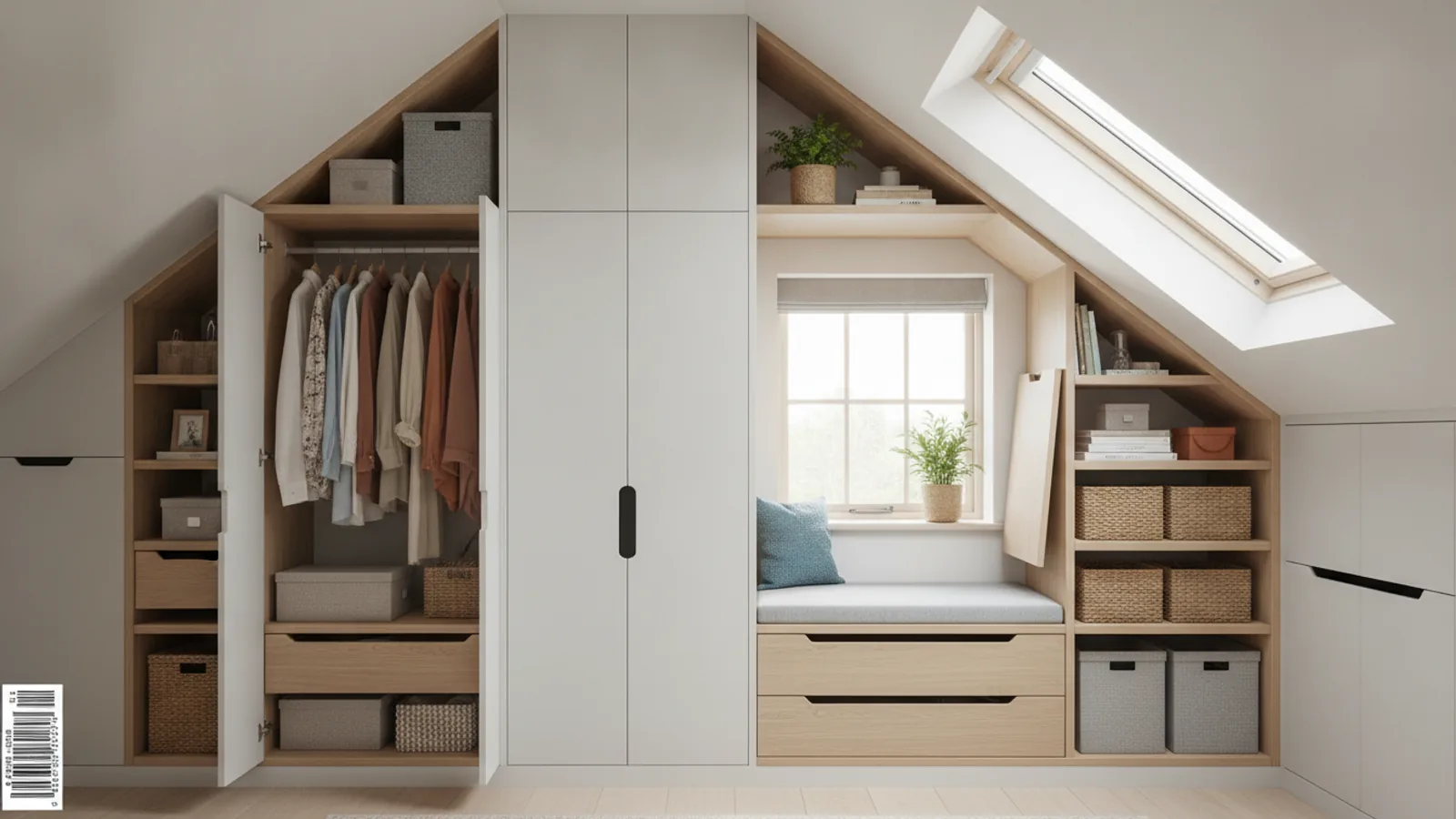
Loft Conversion Storage Ideas
Planning for efficient storage in a loft conversion is key to making the most of your new space. This guide provides practical, step-by-step advice on how to integrate smart storage solutions into the unique architecture of a loft, from utilizing awkward eaves to selecting multi-functional furniture. It's designed for homeowners looking to maximize every inch of their converted attic, whether they're in the planning phase or seeking to optimize an existing loft room.
This guide explains how to approach loft conversion storage ideas, including the preparation, practical steps, common mistakes, and final checks that help you finish with confidence.
Before You Start loft conversion storage ideas
What You Need
Safety, Timing, or Context Checks
How to loft conversion storage ideas
1. Assess Your Loft Space and Storage Needs
2. Utilize Eaves and Low Headroom Areas
3. Integrate Storage into Walls and Partitions
4. Choose Smart Multi-Functional Furniture Solutions
5. Maximize Vertical Space with Tall and Narrow Units
6. Consider Bespoke and Modular Storage Systems
7. Implement Smart Organization Techniques
Quick Reference
Common Problems When You loft conversion storage ideas
Creating effective storage in a loft conversion can present unique challenges. Here are some common problems and practical solutions.
Problem: Sloping Ceilings Waste Space
The very feature that gives lofts their character – sloped ceilings – can make traditional furniture and storage difficult to fit, leading to significant wasted space, especially in the eaves or at the lowest points of the room.
Fix: The most effective solution is to invest in custom-built storage. Work with a carpenter or a specialized storage company to design units that precisely follow the slope of the ceiling. This might include stepped shelves, cupboards with angled doors, or deep drawers that pull out from under the eaves. Alternatively, use low-level furniture like benches or chests that naturally fit beneath the lowest points.
Problem: Limited Access Points or Awkward Entry
Some loft conversions have narrow staircases, tight turns, or small door frames, making it difficult to bring large, pre-assembled furniture or storage units into the space.
Fix: Plan to use modular storage systems that come in smaller, manageable pieces that can be assembled in the loft. Flat-pack furniture is another viable option. For built-in solutions, ensure that all components can be easily transported upstairs. Consider sourcing local carpenters who can build custom units on-site, eliminating the access issue entirely.
Problem: Overheating or Dampness Affecting Stored Items
Lofts can be susceptible to extreme temperature fluctuations and, if insulation or ventilation is poor, dampness. This can damage sensitive items like clothing, books, or electronics.
Fix: Ensure your loft conversion has adequate insulation and ventilation to maintain a stable internal climate. For items stored within cupboards, especially in eaves, consider using moisture absorbers or small dehumidifiers if dampness is a concern. Store delicate items in airtight, protective containers. Avoid storing heat-sensitive electronics in poorly ventilated enclosed spaces.
Problem: Making the Loft Feel Cluttered and Small
Overfilling a loft with too much storage, especially open shelving, can quickly make the space feel cramped, messy, and smaller than it is, counteracting the purpose of the conversion.
Fix: Prioritize enclosed storage solutions (cupboards with doors, drawers) over open shelving for most items. This keeps clutter out of sight, creating a cleaner, more streamlined look. Use light colors for storage units to help reflect light and expand the perception of space. Integrate storage flush with walls where possible. Regularly declutter to avoid overfilling the space, maintaining a minimalist approach to visible items.
Advanced Tips for loft conversion storage ideas
Once you've mastered the basics, these advanced tips can help you push the boundaries of storage efficiency and design in your loft conversion.
Hidden Storage Behind Paneling or False Walls
Elevate the concept of integrated storage by creating entirely hidden compartments. Design false walls or decorative paneling that can conceal shallow cupboards, pull-out shelves, or even a small safe. These units can be opened with a simple push-latch mechanism, making them virtually invisible when closed. This is ideal for discreetly storing valuables, infrequently used items, or even concealing service access points.
Integrated Desk Nooks and Workstations
If your loft serves as a home office or study, integrate a desk or workstation directly into an alcove or a section of the wall. Build shelves above and below the desk surface, extending up to the ceiling where possible. This creates a dedicated work zone with built-in storage for books, files, and office supplies, making efficient use of an otherwise overlooked corner without the need for a bulky, freestanding desk.
Smart Lighting Integration
Don't just store items; illuminate them. Install LED strip lighting or small puck lights inside cupboards, under shelves, or within drawers. This not only makes it easier to find what you're looking for but also adds a sophisticated, high-end feel to your storage solutions. Motion-activated lights can be particularly convenient for dark eave storage areas.
Multi-Level Storage Through Platforms or Raised Floors
In lofts with sufficient head height, consider creating a raised platform area. This elevates a bed or seating area, and the space underneath can be converted into massive, hidden storage accessible via lift-up panels or large drawers. This innovative approach can create significant storage volume for very bulky items, transforming dead space beneath a living area into highly functional real estate.
Zoned Storage Planning
Beyond simply putting things away, think about creating "zones" for different types of storage. Designate a specific section of your loft conversion for clothing, another for books, a third for seasonal items, and so on. This might involve creating a mini-walk-in wardrobe within an eaves area, a dedicated wall of bookshelves, or a storage bench for games. Zoned storage helps maintain order and makes it easier to locate specific items.
Loft Conversion Storage Ideas FAQ
Here are answers to common questions about maximizing storage in a loft conversion.
Q: What's the best type of storage for clothes in a loft conversion?
A: For clothes, built-in wardrobes designed to fit under sloping ceilings or within the eaves are usually the most effective. Consider hanging rails that pull out for easier access, or low-level drawer units for folded garments. Mirrored wardrobe doors can also help reflect light and make the room feel larger.
Q: How can I store bulky items like suitcases or rarely used sports equipment?
A: Bulky items are best stored in areas with deep but low access. This makes low eaves cupboards with wide openings, or large storage divan beds with internal compartments, excellent choices. Consider custom-built bench seating with lift-up lids, offering both seating and ample storage.
Q: Is open shelving a good idea in a loft conversion?
A: Open shelving can work well for decorative items, a carefully curated collection of books, or items you use daily. However, for general storage, enclosed units are generally preferred. Open shelving can quickly make a loft feel cluttered and expose items to dust, which is often more prevalent in attic spaces.
Q: How do I ensure my loft storage doesn't make the room feel smaller?
A: To prevent your loft from feeling cramped, opt for integrated and built-in storage solutions that blend seamlessly with the walls. Use light colors for your storage units, and consider reflective surfaces like mirrored doors. Avoid bulky, freestanding units unless the room is very large. Keep visual clutter to a minimum by utilizing enclosed storage.
Q: Can I really use the highest points of the loft for storage?
A: Yes, absolutely. The highest points are ideal for tall, narrow shelving units or wall-mounted cupboards. Reserve these top shelves for items you access infrequently, such as sentimental items, seasonal decorations, or archived documents. Ensure any tall units are securely fixed to the wall for safety.
Final Checklist for loft conversion storage ideas
Before finalizing your loft conversion storage plan, run through this checklist to ensure you've covered all essential aspects for a functional and organized space.
- [_] Comprehensive Assessment: Have you accurately measured all dimensions, including unique angles and ceiling heights, and accounted for windows, doors, and services?
- [_] Needs Analysis Complete: Have you created a detailed inventory of all items to store, categorized by size, type, and frequency of use?
- [_] Structural Checks Performed: Have you identified structural beams and confirmed that proposed built-in storage will not compromise the loft's integrity, seeking professional advice where needed?
- [_] Safety & Regulations Confirmed: Are all fire escape routes clear, and does your plan comply with local building codes and fire safety regulations?
- [_] Eaves & Low Areas Utilized: Have you maximized the potential of low-headroom areas with custom-built drawers, cupboards, or pull-out units?
- [_] Walls & Partitions Integrated: Have you considered recessed shelving or slim cupboards within existing or false walls to save floor space?
- [_] Multi-Functional Furniture Selected: Have you chosen furniture pieces that offer hidden storage, such as divan beds or storage ottomans?
- [_] Vertical Space Optimized: Are you utilizing tall, narrow shelving or wall-mounted units in areas with good headroom?
- [_] Bespoke/Modular Solutions Explored: Have you considered custom-built or modular systems for awkward spaces where off-the-shelf options won't fit?
- [_] Organization Tools Planned: Have you included labels, dividers, and appropriate containers in your plan for effective internal organization?
- [_] Climate Control Considered: Have you addressed potential issues of dampness or overheating with adequate insulation, ventilation, and protective containers for sensitive items?
- [_] Visual Impact Assessed: Will the chosen storage solutions maintain an open, uncluttered feel, using light colors and integrated designs where possible?
- [_] Budget & Timeline Reviewed: Have you estimated the costs for materials, professional services (if needed), and a realistic timeline for implementation?
- [_] Decluttering Strategy: Is there a plan to declutter existing items before moving them into the new storage, avoiding simply moving mess?